

What to Look for in a Lightweight Portable Oxygen Concentrator

A lightweight portable oxygen concentrator can make daily movement feel less complicated for many oxygen users. When the device is easier to carry, it may feel more realistic to go to appointments, visit family, run errands, or spend time outside.
But weight is only one part of the decision. A concentrator that feels light in the hand still needs to match the oxygen prescription, daily schedule, battery needs, and comfort preferences of the person using it.
This guide explains what seniors, caregivers, and oxygen users should look for when comparing portable oxygen concentrators, especially if lightweight design is one of the top priorities.
Start With the Oxygen Prescription
Before looking at weight, price, battery life, or carrying style, start with the prescription. Oxygen equipment should match the flow type and settings ordered by a doctor or oxygen specialist. A lightweight unit is only helpful if it can safely support the prescribed oxygen needs.
Some portable oxygen concentrators provide pulse dose oxygen, which delivers oxygen in bursts when the user inhales. Some models provide continuous flow, which delivers oxygen steadily. These are not the same thing, and the right choice depends on the prescription and how the person breathes during rest, movement, or sleep.
The American Lung Association explains that portable oxygen concentrators are generally small, light, and quiet, and they work by taking in room air and concentrating oxygen for use away from home. Still, the correct device and setting should always be guided by medical advice.
Look at the Actual Weight
When people search for a lightweight portable oxygen concentrator, they often compare pounds first. That makes sense. A few pounds can feel very different when carried for hours.
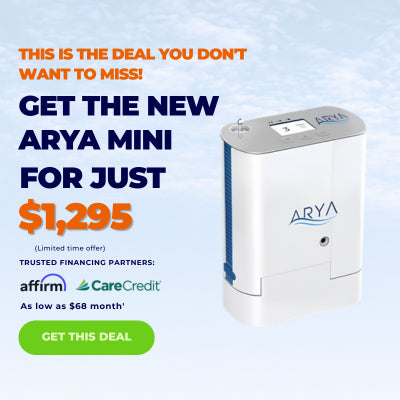
Some lightweight models are designed to be carried over the shoulder, in a case, or in a small backpack. For example, the Lifestyle Rhythm P2-S3 Portable Oxygen Concentrator and the ARYA Mini Portable Oxygen Concentrator are both examples of compact portable options that may appeal to users who are comparing smaller pulse dose machines.
When reviewing weight, make sure you know what is included. Some listings show the weight with a single battery. A larger battery, carrying case, backpack, or extra accessory bag can add weight. The number on the page is useful, but the real question is how the full setup feels during daily use.
Think About How It Will Be Carried
A portable oxygen concentrator may be light, but the carrying method still matters. A shoulder strap may work for short errands. A backpack may feel more comfortable for longer walks. A carrying case may be easier for users who want quick access to controls.
The right carrying style depends on posture, strength, balance, and personal preference. A person with shoulder discomfort may prefer a backpack. Someone who wants to set the unit beside them often may prefer a carrying case. If the concentrator will be used during errands, outings, or travel, comfort should be part of the decision.
Accessories such as a portable oxygen concentrator carrying case can help protect the unit and keep it easier to handle, depending on the model.
Compare Battery Life for Real Daily Routines
Battery life is one of the biggest comfort factors for oxygen users. A lightweight concentrator may be easy to carry, but if the battery does not last long enough for the user’s routine, it can still cause stress.
Battery duration can change based on the setting, battery size, breathing rate, and device model. Lower settings often last longer than higher settings. Extended batteries may provide more time, but they can also add weight.
When comparing battery options, think about real days, not perfect days. How long is the drive? How long is the appointment? Will there be a stop at the pharmacy or grocery store? Will there be access to an outlet? For some users, an extra battery or power supply may be just as important as the concentrator itself.
Replacement or additional batteries, such as Rhythm P2-S3 battery options, may help users plan for longer outings when compatible with their device.
Check the Flow Settings Carefully
Portable oxygen concentrator settings should not be guessed. A setting of 2 on one machine may not feel the same as a setting of 2 on another device, especially when comparing different brands or delivery types.
A lightweight model may offer fewer settings than a larger portable unit. That is not automatically good or bad. It simply means the unit should be matched to the prescription. If the user needs a higher setting, continuous flow, or a device that supports certain activity levels, a very small unit may not be the right fit.
Speak with a doctor, respiratory therapist, or oxygen specialist before choosing. They can help explain whether a lightweight pulse dose unit is appropriate for the user’s oxygen needs.
Pay Attention to Noise Level and Ease of Use
Daily comfort is not only about carrying the device. Noise level, button size, screen visibility, alarms, filter access, and charging steps can all affect how easy the concentrator feels.
A device used in restaurants, waiting rooms, church, or family gatherings should feel manageable in public. Users may want to consider whether they can read the display, hear alerts, change batteries, connect the cannula, and understand basic maintenance steps.
Caregivers should also think about whether the user can handle the device independently or may need help. A lightweight machine should still be simple enough for the person using it day after day.
Consider Maintenance and Accessories
Portable oxygen concentrators need routine care. This may include checking filters, keeping vents clear, charging batteries, storing the unit properly, and replacing supplies as recommended in the owner’s manual.
Helpful oxygen accessories may include filters, cannulas, chargers, power supplies, backpacks, carrying cases, or extra batteries. A pulse oximeter may also be part of a user’s routine if recommended by their provider, though readings should be understood with medical guidance.
The best setup is not always the lightest single device. It is the setup that helps the user feel prepared while still matching the prescription.
Do Not Choose Only by Price or Weight
A very low price or very small size may seem attractive, but oxygen equipment should be chosen carefully. The concentrator should be medical-grade, appropriate for the prescription, supported by a reputable seller, and backed by service or warranty information.
Families should also make sure replacement parts and accessories are available. A concentrator is part of a larger daily routine. If batteries, filters, or chargers are hard to find, the device may become frustrating over time.
FAQ
What is considered a lightweight portable oxygen concentrator?
Many shoppers consider portable oxygen concentrators under about 5 pounds to be lightweight, but comfort depends on the full setup, including the battery, carrying case, and how long the unit will be carried.
Is the lightest oxygen concentrator always the best choice?
No. The lightest device may not match every prescription or daily routine. Flow type, settings, battery life, ease of use, and medical guidance matter more than weight alone.
Can a lightweight portable oxygen concentrator be used all day?
Some users may use a portable concentrator throughout the day, depending on their prescription and device. Ask your doctor or oxygen specialist whether a specific model fits your oxygen needs and usage schedule.
Should I buy extra batteries for a lightweight portable oxygen concentrator?
Extra batteries may be helpful for longer outings, travel, or busy days away from home. Battery needs depend on the device, oxygen setting, and daily schedule.
Find a Portable Oxygen Setup That Fits Your Routine
A lightweight portable oxygen concentrator can make daily oxygen use feel easier, but the best choice should fit more than a weight number. Prescription needs, battery life, carrying comfort, settings, maintenance, and support all matter.
At 1st Class Medical, you can compare portable oxygen concentrators, lightweight options, and compatible accessories to find equipment that may help support your daily routine. If you are unsure which unit fits your prescription, speak with your doctor or an oxygen specialist before choosing.


